


ಏಮ್ಸ್ ಪರೀಕ್ಷೆಯ ಪರಿಚಯ
The Ames test, also known as Bacterial Reverse Mutation Test is a widely used for biological assay that evaluates the mutagenic potential of chemical compounds, including N-Nitrosamines. Developed by Dr. Bruce Ames in the 1970s, this test utilizes specific strains of the bacterium Salmonella typhimurium that carry mutations in genes involved in histidine synthesis. The test determines whether a substance can cause mutations in bacterial DNA, providing an indication of potential carcinogenicity in humans.
N-Nitrosamines ಗಾಗಿ ಏಮ್ಸ್ ಪರೀಕ್ಷೆಯ ಪ್ರಸ್ತುತತೆ
N-ನೈಟ್ರೋಸಮೈನ್ಗಳು ತಮ್ಮ ಜಿನೋಟಾಕ್ಸಿಕ್ ಮತ್ತು ಕಾರ್ಸಿನೋಜೆನಿಕ್ ಗುಣಲಕ್ಷಣಗಳಿಗೆ ಹೆಸರುವಾಸಿಯಾಗಿದೆ, ಏಕೆಂದರೆ ಅವುಗಳು ಆಲ್ಕೈಲೇಶನ್ ಮತ್ತು ಆಕ್ಸಿಡೇಟಿವ್ ಒತ್ತಡದ ಮೂಲಕ DNA ಹಾನಿಯನ್ನು ಉಂಟುಮಾಡಬಹುದು. The Ames test is particularly useful in detecting their mutagenic effects, as many N-Nitrosamines require metabolic activation via enzymatic conversion to form highly reactive electrophilic intermediates capable of interacting with DNA. This activation typically occurs in the liver through cytochrome P450 enzymes. To replicate this metabolic conversion in vitro, the test is often conducted with and without metabolic activation using S9 mix, a liver enzyme preparation derived from rodents, which mimics mammalian metabolism and enhances the detection of mutagenic activity.
ಏಮ್ಸ್ ಪರೀಕ್ಷೆಯ ವಿಧಾನ
ಏಮ್ಸ್ ಪರೀಕ್ಷೆಯ ಪ್ರಮಾಣಿತ ಪ್ರಕ್ರಿಯೆಯು ಈ ಕೆಳಗಿನ ಹಂತಗಳನ್ನು ಒಳಗೊಂಡಿರುತ್ತದೆ:
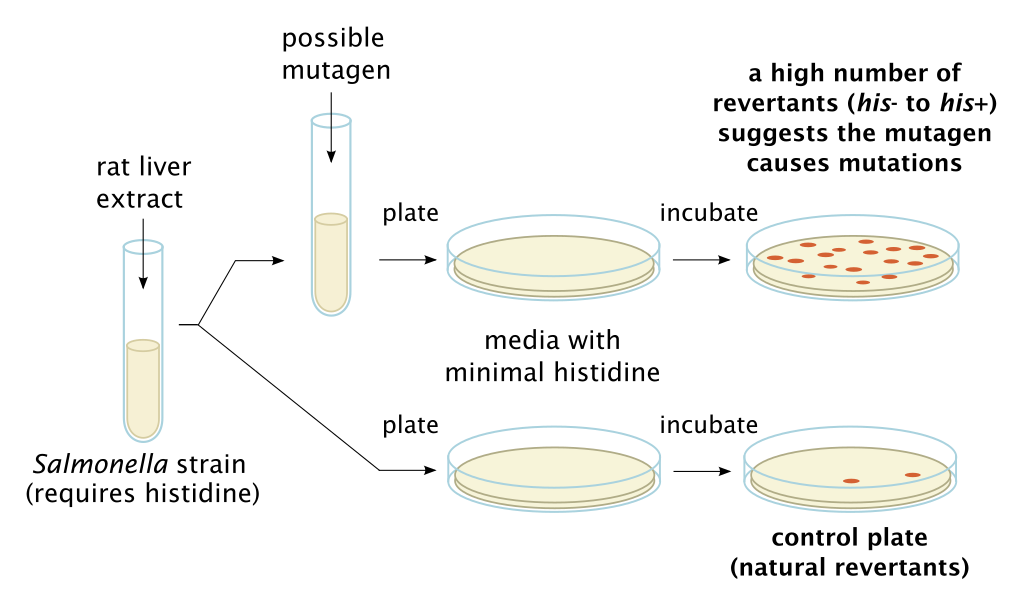
- 1. ಪರೀಕ್ಷಾ ತಳಿಗಳ ತಯಾರಿ: ಹಿಸ್ಟಿಡಿನ್ ಸಂಶ್ಲೇಷಣೆ ಜೀನ್ಗಳಲ್ಲಿ ಪೂರ್ವ-ಅಸ್ತಿತ್ವದಲ್ಲಿರುವ ರೂಪಾಂತರಗಳೊಂದಿಗೆ ಸಾಲ್ಮೊನೆಲ್ಲಾ ಟೈಫಿಮುರಿಯಮ್ ತಳಿಗಳನ್ನು ಬಳಸಲಾಗುತ್ತದೆ. ರಿವರ್ಸ್ ಮ್ಯುಟೇಶನ್ ಕಾರ್ಯವನ್ನು ಪುನಃಸ್ಥಾಪಿಸದ ಹೊರತು ಈ ತಳಿಗಳು ಬಾಹ್ಯ ಹಿಸ್ಟಿಡಿನ್ ಮೂಲವಿಲ್ಲದೆ ಬೆಳೆಯುವುದಿಲ್ಲ.
- 2. Exposure to N-Nitrosamines: The bacterial culture is mixed with the test compound (N-Nitrosamine) on a minimal agar plate containing a small amount of histidine.
- 3. Metabolic Activation (S9 Mix Addition): To account for metabolic conversion in the human body, some test samples include S9 fraction, an enzymatic extract from rat liver microsomes.
- 4. Incubation and Growth: The plates are incubated at 37°C for 48 hours, allowing bacterial colonies to grow if mutations occur that restore histidine synthesis.
- 5. Colony Counting and Analysis: The number of revertant colonies (bacteria that regained the ability to produce histidine) is counted and compared to control plates.
- ಫಲಿತಾಂಶಗಳ ವ್ಯಾಖ್ಯಾನ
- Positive Ames Test: A significant increase in revertant colonies compared to the control suggests the compound induces mutations, implying mutagenic and potentially carcinogenic properties.
- ನಕಾರಾತ್ಮಕ ಏಮ್ಸ್ ಪರೀಕ್ಷೆ: ಯಾವುದೇ ಗಮನಾರ್ಹ ಹೆಚ್ಚಳವನ್ನು ಗಮನಿಸದಿದ್ದರೆ, ಪರೀಕ್ಷಾ ಪರಿಸ್ಥಿತಿಗಳಲ್ಲಿ ಸಂಯುಕ್ತವು ಮ್ಯುಟಾಜೆನಿಕ್ ಅಲ್ಲದ ಸಾಧ್ಯತೆಯಿದೆ.
- ಡೋಸ್-ಪ್ರತಿಕ್ರಿಯೆ ಸಂಬಂಧ: ಹೆಚ್ಚಿದ ರೂಪಾಂತರದ ದರಗಳಿಗೆ ಕಾರಣವಾಗುವ ಹೆಚ್ಚಿನ ಪ್ರಮಾಣಗಳು ಮ್ಯುಟಾಜೆನಿಸಿಟಿಯ ಪುರಾವೆಗಳನ್ನು ಬಲಪಡಿಸುತ್ತವೆ.
ತೀರ್ಮಾನ
ಏಮ್ಸ್ ಪರೀಕ್ಷೆಯು N-Nitrosamines ನ ಮ್ಯುಟಾಜೆನಿಸಿಟಿಯನ್ನು ನಿರ್ಣಯಿಸಲು ತ್ವರಿತ ಮತ್ತು ವೆಚ್ಚ-ಪರಿಣಾಮಕಾರಿ ವಿಧಾನವಾಗಿದೆ. Given their association with cancer, identifying their mutagenic properties through this assay is crucial for regulatory control and risk assessment. This test remains a cornerstone in toxicological screening and chemical safety evaluation.
ಕೀವರ್ಡ್ಗಳು: N-ನೈಟ್ರೋಸಮೈನ್ಗಳು, NDSRIಗಳು, OECD 471, ವರ್ಧಿತ ಏಮ್ಸ್ ಪರೀಕ್ಷೆ, ಹ್ಯಾಮ್ಸ್ಟರ್ ಲಿವರ್ S9, ಸೈಟೋಕ್ರೋಮ್ P450 ಕಿಣ್ವಗಳು, ರೂಪಾಂತರ ಪರೀಕ್ಷೆ
ಪೋಸ್ಟ್ ಸಮಯ: 2025-03-11 09:16:10